

Bankruptcy & Vehicle Repossession
Bankruptcy can stop repossession and allow an individual to keep their vehicle.
Overview of Bankruptcy and Repossession
Facing vehicle repossession can be stressful and disruptive, especially when reliable transportation is essential for work and daily life. Bankruptcy can be an effective tool to stop repossession and provide options for keeping or restructuring vehicle debt.
"*" indicates required fields

How Bankruptcy Stops a Repossession
When a bankruptcy case is filed, an automatic stay goes into effect immediately. The automatic stay prohibits creditors from continuing collection actions, including vehicle repossession. In most cases, this stops a pending repossession and prevents further collection efforts while the bankruptcy case is active.
Chapter 7 & Repossession
In a Chapter 7 bankruptcy, debtors generally have several options regarding a vehicle:
- Reaffirm the loan, agreeing to continue making payments and keep the vehicle
- Surrender the vehicle and discharge any remaining balance owed
Chapter 7 may be appropriate for individuals who cannot afford their current vehicle payment or owe more than the vehicle is worth.
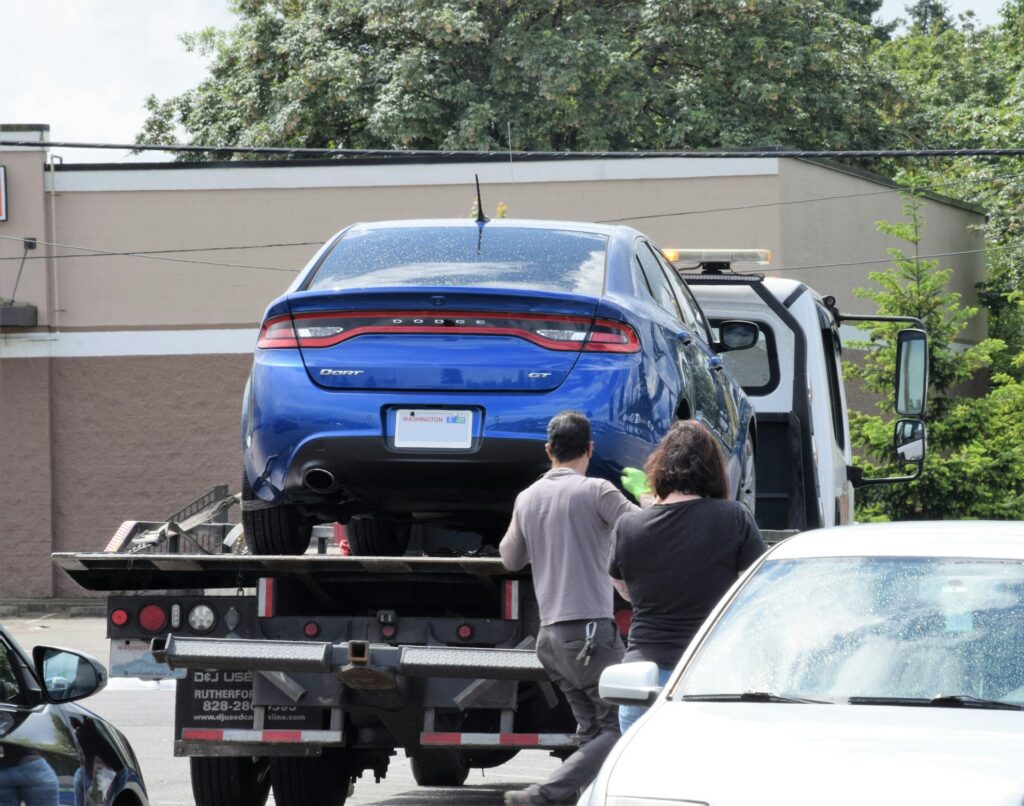

Chapter 13 and Repossession
Chapter 13 bankruptcy is often used by individuals who want to keep their vehicle and catch up on missed payments. Through a court-approved repayment plan, debtors may:
- Cure past-due amounts over time
- Restructure certain vehicle loans
- Reduce the interest rate or balance in qualifying cases
- Prevent repossession as long as plan payments are made
After Repossession has Occurred
If a vehicle has already been repossessed, bankruptcy may still help depending on the timing and whether the vehicle has been sold. In some cases, filing quickly may allow the debtor to recover the vehicle. Additionally, bankruptcy can eliminate any deficiency balance owed after the sale.


Why Mezher Law for These Cases
When repossession is imminent—or has already begun—timing and strategy are critical. Filing bankruptcy in these situations requires quick action and experienced legal guidance. Our firm understands what is at stake and knows how to act decisively to protect you.
FAQs
A: If you surrender the vehicle, any remaining loan balance (known as a deficiency) is typically discharged, meaning you are no longer responsible for paying it.
A: Timing is critical. Filing before repossession occurs generally provides the most options. Speaking with an experienced bankruptcy attorney as soon as possible can help protect your rights.
Start Your Legal Claim
Mezher Law partners with clients on legal matters big and small.
Contact us to learn more about how we can support you or your business.